Add Row
Add Element
cropper
update
Executive Biohacking Hub
update
Add Element
  • Home
  • Categories
    • Personal Development
    • Smart Nutrition
    • Health & Wellness
    • News
    • Productivity Hacks
    • Fitness
    • Sleep
    • Feature
June 15.2025
3 Minutes Read

Exploring Fertility Rates: The Real Problem Behind Population Concerns

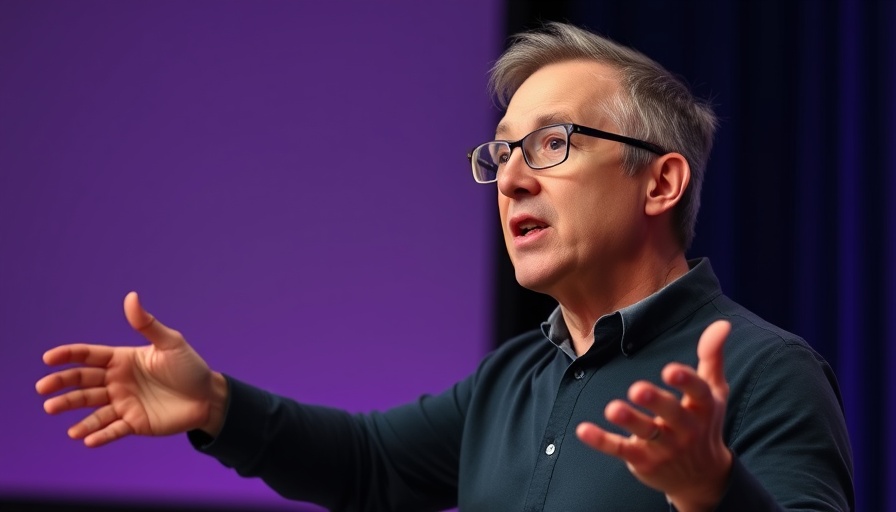
Middle-aged man presenting on stage, discussing fertility rates.

The Population Debate: Are We Misunderstanding the Issue?

In recent conversations surrounding population dynamics, the focus has shifted dramatically from sheer numbers to the pressing issue of fertility rates. Unlike previous decades, where conversations consistently revolved around overpopulation and resource depletion, today's discussions highlight an alarming decrease in fertility rates, particularly in developed nations. Experts argue that this decline is not just a statistic but a significant societal challenge that necessitates urgent attention. The video "Do we have a population problem?" sheds light on this pressing issue, prompting us to explore its implications.

In "Do we have a population problem?", the discussion dives into fertility rates, exploring key insights that sparked a deeper analysis on our end.

Understanding Fertility Rates: A Global Perspective

Globally, the replacement fertility rate stands at around 2.1 children per woman. However, many regions, including Europe and parts of Asia, are witnessing rates that have dipped below this crucial threshold. For instance, countries like Italy and Japan are grappling with the consequences of declining birth rates, such as aging populations and vanishing communities. As individuals in their 30s express their anxiety about future parenthood, stark contrasts emerge between earlier generations who prioritized family planning and today's youths who are challenged by the pressures of modern living. This startling evolution signifies an urgent need to reassess our societal structures and support systems to promote a healthier relationship with parenthood.

The Longevity Factor: Bridging Generational Gaps

What does living longer mean for the future of our societies? As pointed out in the video, extending our lifespans doesn’t have to lead to societal collapse. Rather, it’s essential to cultivate a dynamic coexistence among generations. Imagine a world where older individuals, wielding the wisdom of experience, actively engage with younger generations bursting with youthful energy. By embracing longevity and encouraging intergenerational relationships, we can foster environments that nurture both child-rearing and personal fulfillment, ultimately enriching society.

Environmental Influences: The Role of Lifestyle Choices

Challenges that many face when contemplating parenthood don't merely stem from personal choice but are also influenced by environmental factors. The rise of chemicals, plastics, and pesticides in our daily lives cannot be ignored. Many experts are now probing how these substances affect reproductive health and contribute to lower fertility rates. The dialogue around sustainable living, then, becomes more than just an ideal; it serves as a necessary framework for protecting future generations. Educating ourselves and others about the impacts of chemicals around us is vital in nurturing a healthier, more fertile society.

Creating a Culture of Parenthood

To address the fertility concerns and counter demographic decline, we must foster a culture that values parenthood. This involves openly discussing the challenges of modern parenting, including financial considerations, work-life balance, and emotional preparedness. By sharing experiences of parenthood as an enriching and fulfilling life choice, and providing accessible resources for new parents, we can inspire potential parents to embrace this journey. Creating an environment that celebrates families and supports parents from all walks of life is essential for a thriving society.

Actionable Insights: Steps to Consider

As executives and entrepreneurs, it's vital to recognize the implications of declining fertility rates and contribute to nurturing a supportive environment. Here are some actionable insights:

  • Advocate for Flexible Work Policies: Promote policies that support work-life balance, making it easier for parents to navigate both professional obligations and family responsibilities.
  • Support Family-Friendly Initiatives: Engage in community programs or corporate sponsorships that educate prospective parents on family planning and parenting resources.
  • Invest in Sustainable Practices: Encourage sustainable practices in your business operations that prioritize health and well-being, reflecting a commitment to future generations.

Through these steps, we can collectively address the fertility rate challenge and cultivate a society that celebrates families.

Your Role in Shaping Society's Future

Reflecting back on the insights from the video "Do we have a population problem?", it’s essential for each of us to consider our role in shaping the future. Longevity and the value of parenthood are intertwined, urging us to advocate for a supportive framework that inspires couples to embrace family life. The choices we make today will determine the societal landscape of tomorrow, reminding us that nurturing community, supporting policies that encourage family life, and fostering intergenerational dialogue are all imperative. Let's take proactive steps toward building a more vibrant future together.

Personal Development

48 Views

0 Comments

Write A Comment

*
*
Related Posts All Posts
02.24.2026

Navigating AI's Impact: What Executives Need to Know Now

Update Understanding the Looming AI Revolution: Are You Prepared? In today's rapidly evolving digital landscape, the advent of artificial intelligence (AI) is not just a trend—it's a revolution that demands our attention. In the recent discussion titled "No One Is Ready for What's Coming" featuring Tony Robbins, the pressing realities of AI's impact on the workforce and productivity were brought to light, stirring a conversation that executives and entrepreneurs can no longer afford to ignore.In 'No One Is Ready for What's Coming,' Tony Robbins discusses the impending revolution of AI, prompting us to analyze its broader implications for business leaders and the future of productivity. Why AI Is Reshaping Our Professional Lives AI has the potential to radically transform industries, automate complex tasks, and redefine productivity. Robbins emphasizes that many are unaware of how deeply AI will penetrate various sectors, prompting us to rethink our strategies for success. For executives, this shift means investing not only in technology but also in reshaping their company cultures to adapt to these changes. Ignoring AI's looming presence may lead to obsolescence, stranding companies behind more agile competitors. Historical Context: The Automation Shift Throughout history, we have witnessed significant revolutions that altered how we work. Think of the Industrial Revolution, when machinery replaced manual labor, or the advent of computers that streamlined our processes. AI is now ushering in another major transition. This historical lens helps us see that while change is daunting, adaptation is a survival skill. Understanding past adaptations to technological revolutions can equip current leaders with insights into navigating the ever-changing landscape of AI. The Psychological Impact of AI on Executives and Employees The rise of AI brings psychological challenges along with its technological advancements. For many executives and employees alike, the fear of displacement is palpable. Robbins highlights the importance of mental resilience as we face these uncertainties. Leaders must foster an innovative mindset that promotes lifelong learning, allowing teams to view AI not as a threat but as a tool that enhances their capabilities. Encouraging adaptive thinking can empower workers and mitigate the stress associated with these significant changes. Practical Insights: Implementing AI Effectively Executives should consider practical steps to implement AI within their organizations, ensuring that these technologies augment their workforce instead of replacing it. Start by identifying repetitive tasks suitable for automation—this frees up valuable human capital for strategic thinking and creative initiatives. Investing in training programs that not only teach new technologies but also engage employees in the AI transition process can dramatically enhance efficiency and morale. Future Trends: What Lies Ahead? As AI continues to evolve, it's crucial to anticipate and prepare for its future implications. Experts predict that sectors such as healthcare, finance, and supply chain management will experience unprecedented disruptions. Executives are encouraged to stay informed about trends and adapt diversified approaches to integrate AI. This not only positions their companies for success but also nurtures a culture of innovation, fostering resilience in an unpredictable environment. Emotional and Human-interest Perspective: The Bigger Picture It’s easy to view AI as a mere technological advancement, but it’s essential to understand its broader impact. Robbins urges us to recognize the human element in this transition. As we navigate the complexities of AI, it’s vital to keep employee well-being at the forefront. Listening to staff concerns, providing mental health support, and fostering inclusivity can create a healthier workplace culture amidst change. A Call to Action for Executives As Tony Robbins articulates, we must prepare for what’s on the horizon. Executives should take immediate steps to educate themselves and their teams about AI's implications on their industries. This isn't just about technology—it's a movement toward creating resilient organizations ready to thrive in an AI-driven world. If you're an executive or entrepreneur feeling the weight of these uncertainties, now is the time to act. Invest in education, promote an adaptive culture, and embrace the technological shifts that AI brings. The first step is awareness; share this necessary conversation with your network, and help shape the future of work together.

02.23.2026

Harness the Power of Fasting: Reverse Your Age and Boost Productivity

Update Understanding Fasting: A Pathway to Reversing Age As we step into our 35s and 40s, many of us begin to feel the mounting pressures of our personal and professional lives. Stress becomes an unwelcome companion, affecting not just our mental health but also our physical well-being. Trending across wellness circles is the concept of fasting—not just as a diet but as a lifestyle choice with the potential to reverse the aging process. But what does fasting really entail, and how can it help you regain your vitality while managing life as an executive or entrepreneur?In 'Reverse Your Age by Fasting', the video discusses the transformative potential of fasting on health and productivity, leading us to explore its implications for busy executives. The Science Behind Fasting and Aging Fasting, whether it's intermittent fasting or extended fasting, is gaining traction based on research suggesting its positive effects on longevity. Studies indicate that periodic fasting can promote cellular repair processes, including autophagy—the body’s way of cleaning out damaged cells, thus promoting regeneration. This process may contribute to a reduction in age-related physical decline, which is a key concern for busy professionals. This process works largely by allowing the body to utilize stored fat for energy instead of glucose, impacting metabolism and cellular function positively. Alongside physical health benefits, many practitioners also report heightened mental clarity and sharper focus during fasting periods—elements crucial for today’s fast-paced work environment. Exploring Different Fasting Methods There are various approaches to fasting that can fit different lifestyles and preferences. Common methods include: Intermittent Fasting: This involves cycling between periods of eating and fasting, often implemented as a 16/8 schedule—16 hours of fasting followed by an 8-hour window of eating. Alternate Day Fasting: In this model, individuals alternate between days of normal eating and fasting, allowing for rest and rejuvenation of the body. Extended Fasting: Here, practitioners refrain from eating for a full day or longer, aiding significant metabolic shifts and is often recommended only under medical supervision. The Benefits of Fasting for High-Stress Lifestyles For executives and entrepreneurs who operate under high stress, fasting may offer several remarkable benefits: Improved Mental Clarity: Participants often experience greater focus and cognitive function, which can enhance productivity in demanding jobs. Stress Reduction: Fasting can lower cortisol (the stress hormone) levels, creating a calmer internal environment. Enhanced Energy Levels: By optimizing how your body uses fuel, fasting can lead to more stable energy throughout the day. Incorporating Fasting into Your Busy Life Transitioning to a fasting routine—even for a high-powered executive—doesn't have to be overwhelming. Here are some practical tips to get started: Start Slow: If you’re new to fasting, try out intermittent fasting first and observe how your body responds. Stay Hydrated: Drink plenty of water during fasting periods to maintain hydration and stave off hunger. Choose Nutrient-Dense Foods: When you break your fast, opt for whole foods rich in nutrients to maximize health benefits and sustain energy. Listen to Your Body: Each individual’s experience with fasting can differ; it’s important to adjust your fasting plan based on your feelings and productivity levels. Potential Risks and Counterarguments to Fasting While fasting presents exciting opportunities for improved health, it’s essential to approach it cautiously. Not everyone is suited to fasting—those with certain medical conditions, dietary restrictions, or pregnant women should consult with healthcare providers before engaging in fasting. Additionally, extreme fasting behaviors can lead to negative health outcomes like nutrient deficiencies, fatigue, and metabolic disorders. Therefore, understanding your body and choosing a balanced approach is vital for sustainability. Join the Fasting Revolution: Your Journey to Vitality Starts Here As conversations around health continue to evolve, the idea of fasting as a tool for reversing age and enhancing productivity proves compelling. Executives and entrepreneurs keen to harness the benefits of this practice are increasingly drawing from its rich health benefits to combat stress and elevate their day-to-day performance. If you’re ready to explore fasting as a pathway to improved productivity and vitality, consider implementing a method today. Gradually introduce fasting into your routine and witness firsthand how it can transform your energy levels, mental clarity, and overall well-being.

02.22.2026

Forget Left Or Right: Embrace Holistic Productivity Strategies

Update The Importance of Demanding More Than Just Political Choices In today’s fast-paced world, the phrase "Forget Left Or Right. Demand THIS" resonates deeply with those who thrive in leadership roles. Many executives and entrepreneurs find themselves navigating through a polarized environment, often feeling trapped by conventional political dichotomies. This article explores the power of demanding more nuanced solutions, particularly in the realms of productivity and personal growth.In 'Forget Left Or Right. Demand THIS,' the creator emphasizes the importance of transcending traditional political choices, prompting a deeper examination of how we can adapt productivity strategies for the modern entrepreneur. Beyond Politics: Focusing on Personal Efficiency For professionals aged 35-55, stress often comes from juggling multiple responsibilities. Instead of aligning strictly with political lines, the focus should be on empowering strategies that enhance productivity. It's crucial to recognize that when we limit our demands to party politics, we often overlook more pragmatic solutions like innovative project management tools, team dynamics, and well-being practices that can enhance efficiency in our workplaces. Real-World Applications: Applying New Perspectives Consider the practice of mindfulness in executive leadership. It’s more than just a buzzword; numerous studies show that mindfulness helps reduce stress, promote better decision-making, and enhance interpersonal relationships within teams. Joining meditation classes or practicing breathing techniques can seem trivial, but their influence on workplace dynamics and personal satisfaction is profound, advocating for an approach rooted in self-care and mental clarity. Building Resilience Through Diverse Approaches The narrative today should aim at building resilience through diverse approaches rather than rigid doctrines. For instance, what if instead of choosing between left and right, we demanded actionable insights based on interdisciplinary research? Consider merging aspects of psychology with leadership strategies. This combined approach allows professionals to cultivate emotional intelligence while optimizing business performance. Insights from Health and Wellness Health and wellness trends, particularly around sleep and nutrition, provide valuable guidance in boosting personal productivity. Sleep deprivation significantly impairs cognitive function and decision-making capability. By prioritizing restorative sleep, executives can unlock higher performance levels. Incorporating smart nutrition habits also plays a pivotal role. Eating whole foods rich in nutrients boosts overall energy and cognitive function—simple adjustments that yield significant improvements in personal vitality and workplace effectiveness. The Future: An Ideal Blend of Ideas The future will likely flourish when leaders curate the best from diverse schools of thought. By moving away from rigid political affiliations and toward more comprehensive demands, an environment can be cultivated that promotes innovation and personal well-being. Imagine a workplace where productivity is driven not just by corporate hierarchy but also by ideas drawn from various domains like psychology, technology, and health science. Concluding Thoughts: Time to Take Action As leaders, it's essential to realize that we can transcend outdated paradigms characterized by simple left or right choices. The demand should be for solutions that are holistic, inclusive, and mindful. By actively seeking and adopting diversified methods in leadership, productivity, and personal wellness, we empower not only ourselves but also those around us to thrive in an increasingly complex world. If you're looking for practical solutions to enhance your productivity and well-being, consider exploring mindfulness practices, nutritional plans, and sleep optimization techniques. The journey towards demanding more than surface-level solutions begins with you!

Terms of Service

Privacy Policy

Core Modal Title

Sorry, no results found

You Might Find These Articles Interesting

T
Please Check Your Email
We Will Be Following Up Shortly
*
*
*